January Short Term
January Short Term (JST), a Roycemore tradition since 1972, provides opportunities for student imagination and independent exploration. In the three weeks following winter vacation, January 5-23 this year, students fully immerse themselves in JST projects. Students consistently set high standards for their projects, and Roycemore faculty and staff are fully committed to their success. With guidance from faculty and external mentors, students explore areas of personal interest beyond the curriculum. Projects may be academic or nonacademic, individual or part of a faculty-sponsored group.
January Short Term is your opportunity to:
- Design a piece of your own education
- Learn for pure enjoyment
- Attain educational success beyond grades
- Learn about a subject matter that may not typically be taught in a classroom
- Explore a possible career
What does a JST project look like?
Group Projects
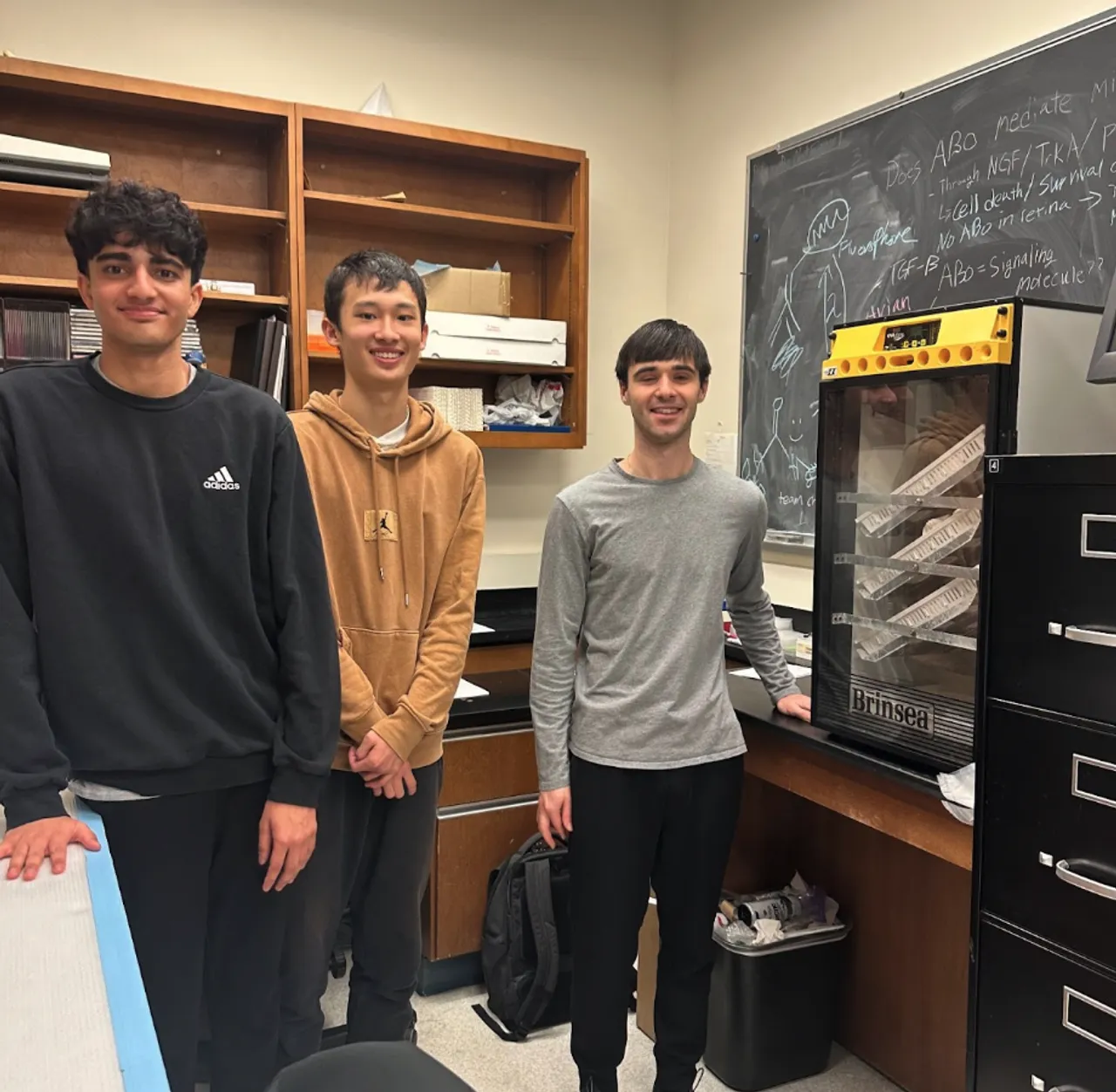
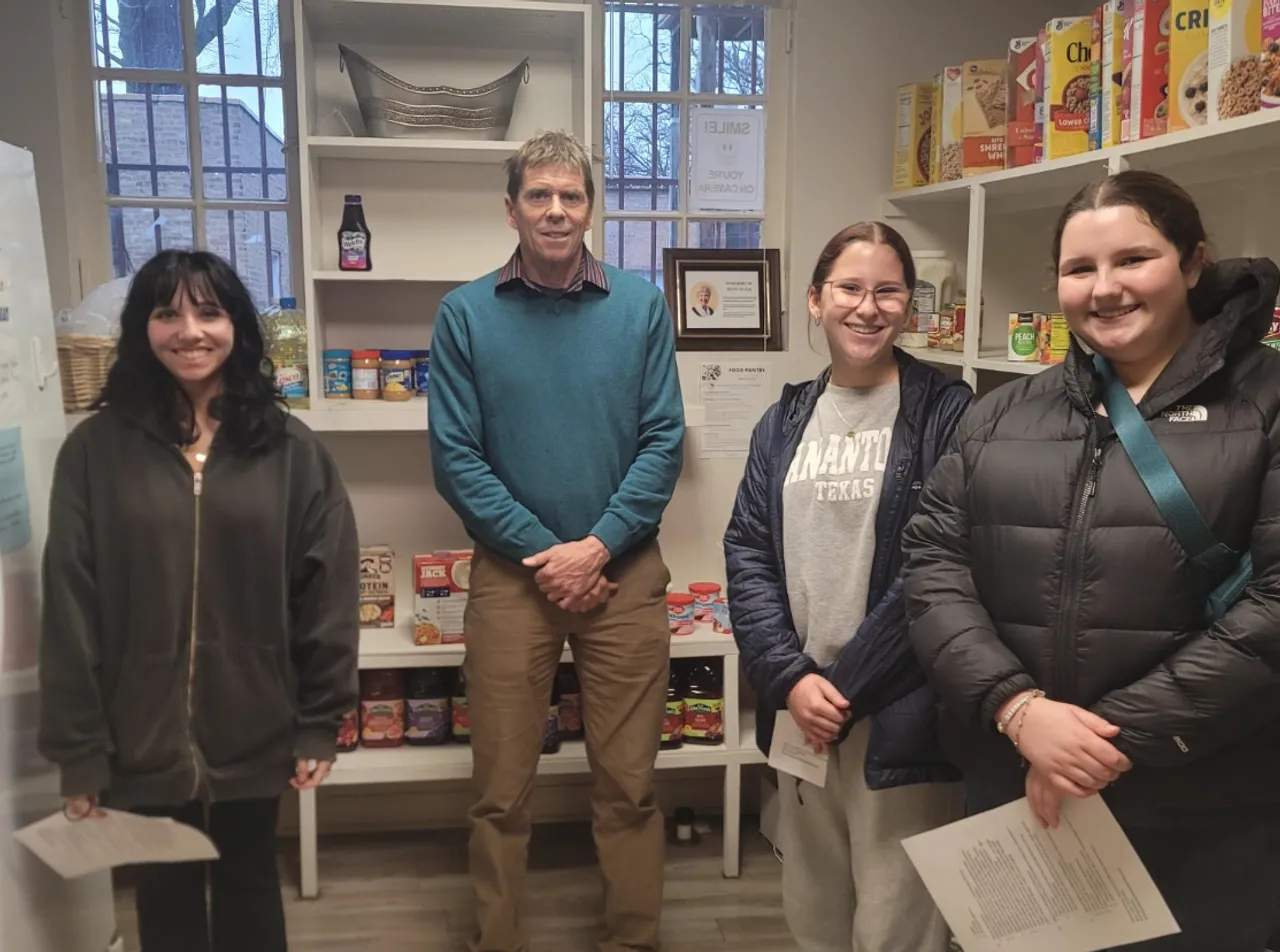
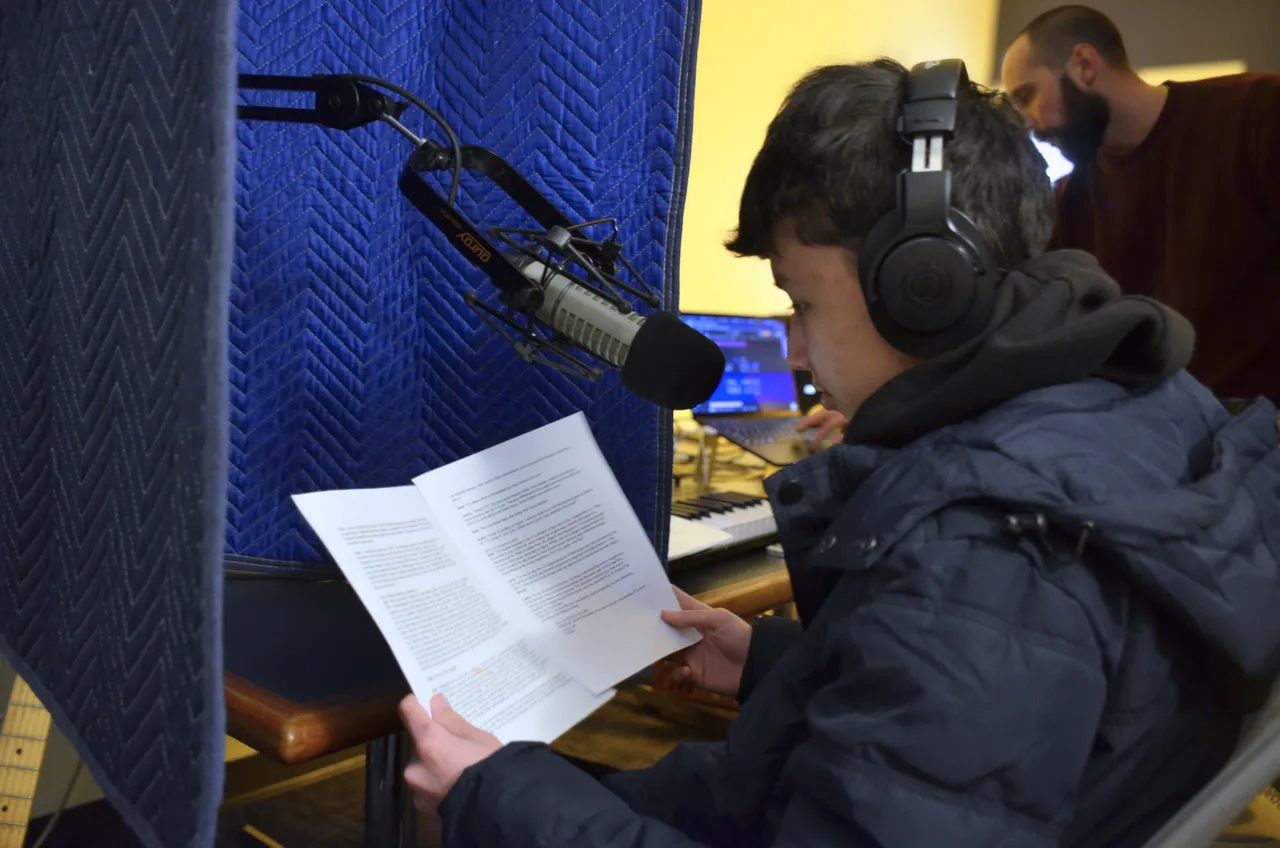
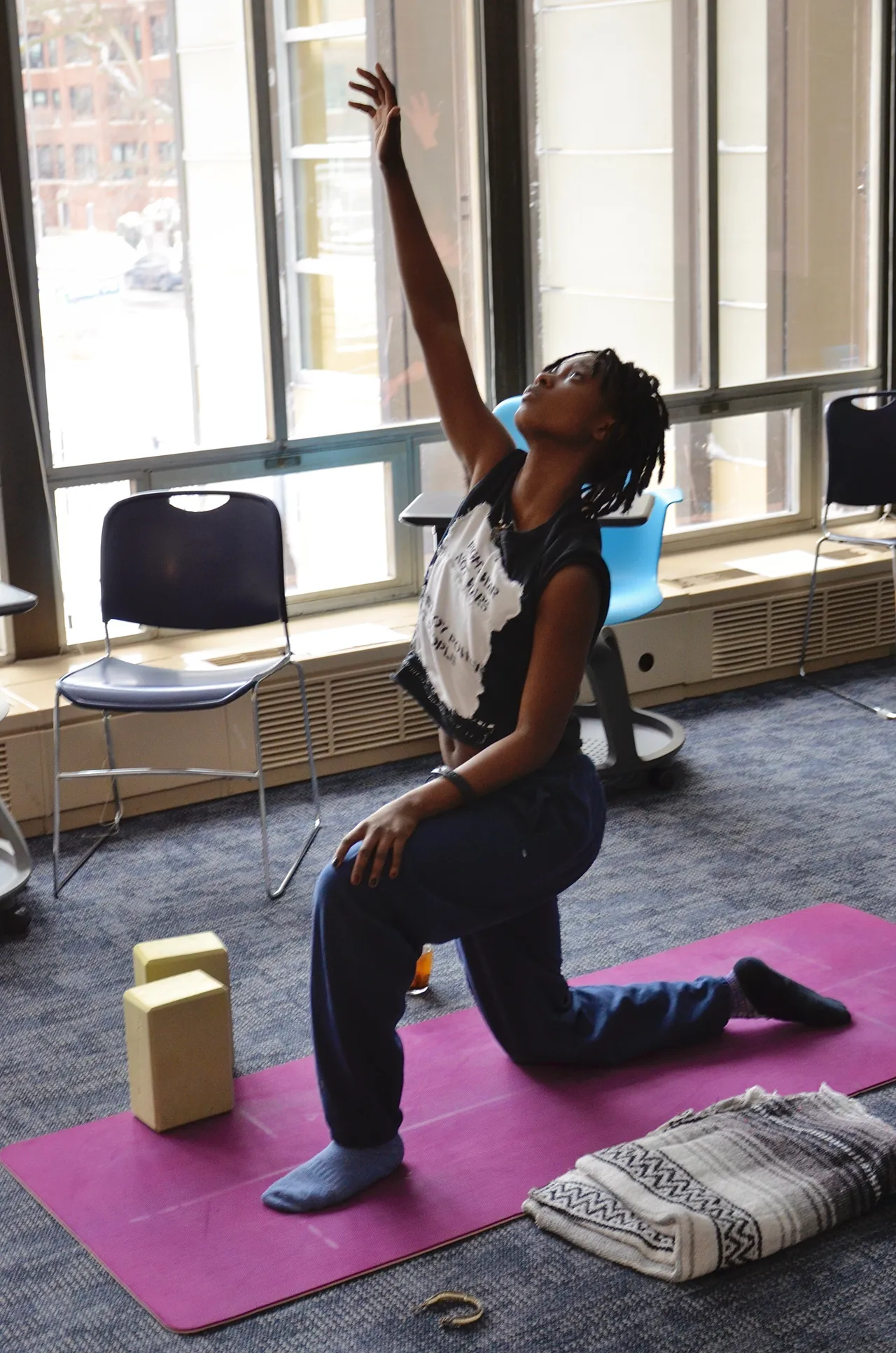
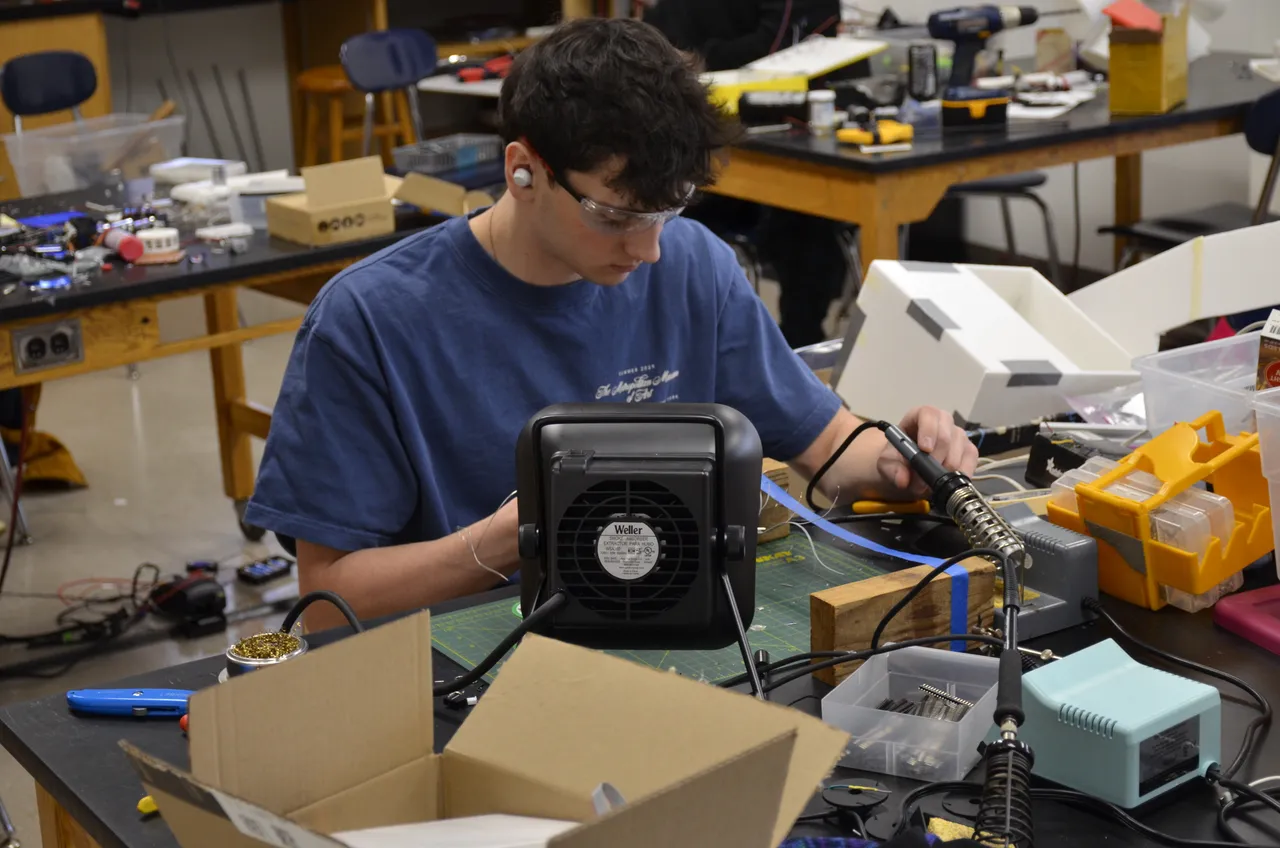
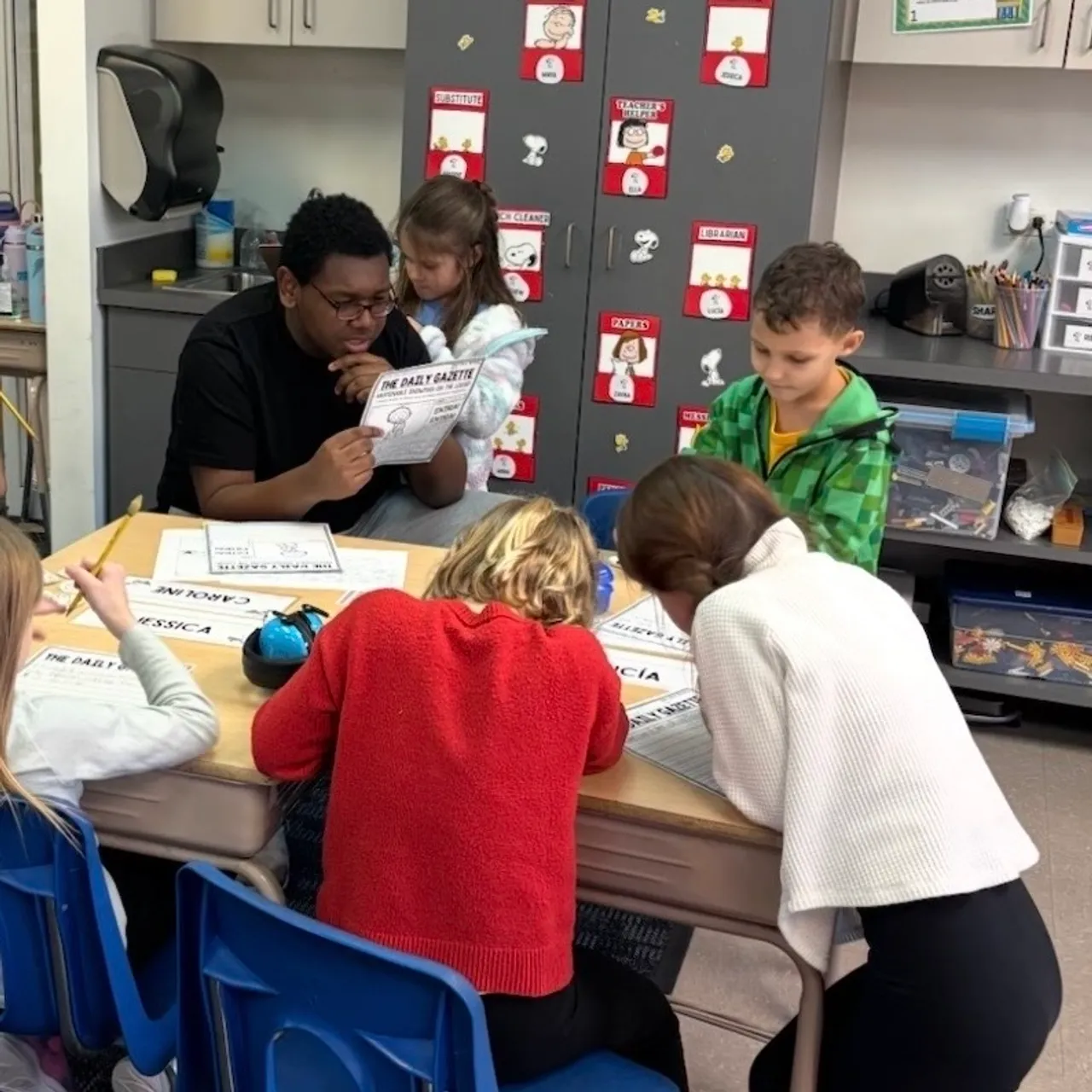
These projects are immersive experiences sponsored by Roycemore faculty and often involve activities not typically offered during the school year. They may include field experiences, visits with professionals, and research in libraries and museums, utilizing the rich resources available in the Greater Chicago area.
Independent Projects
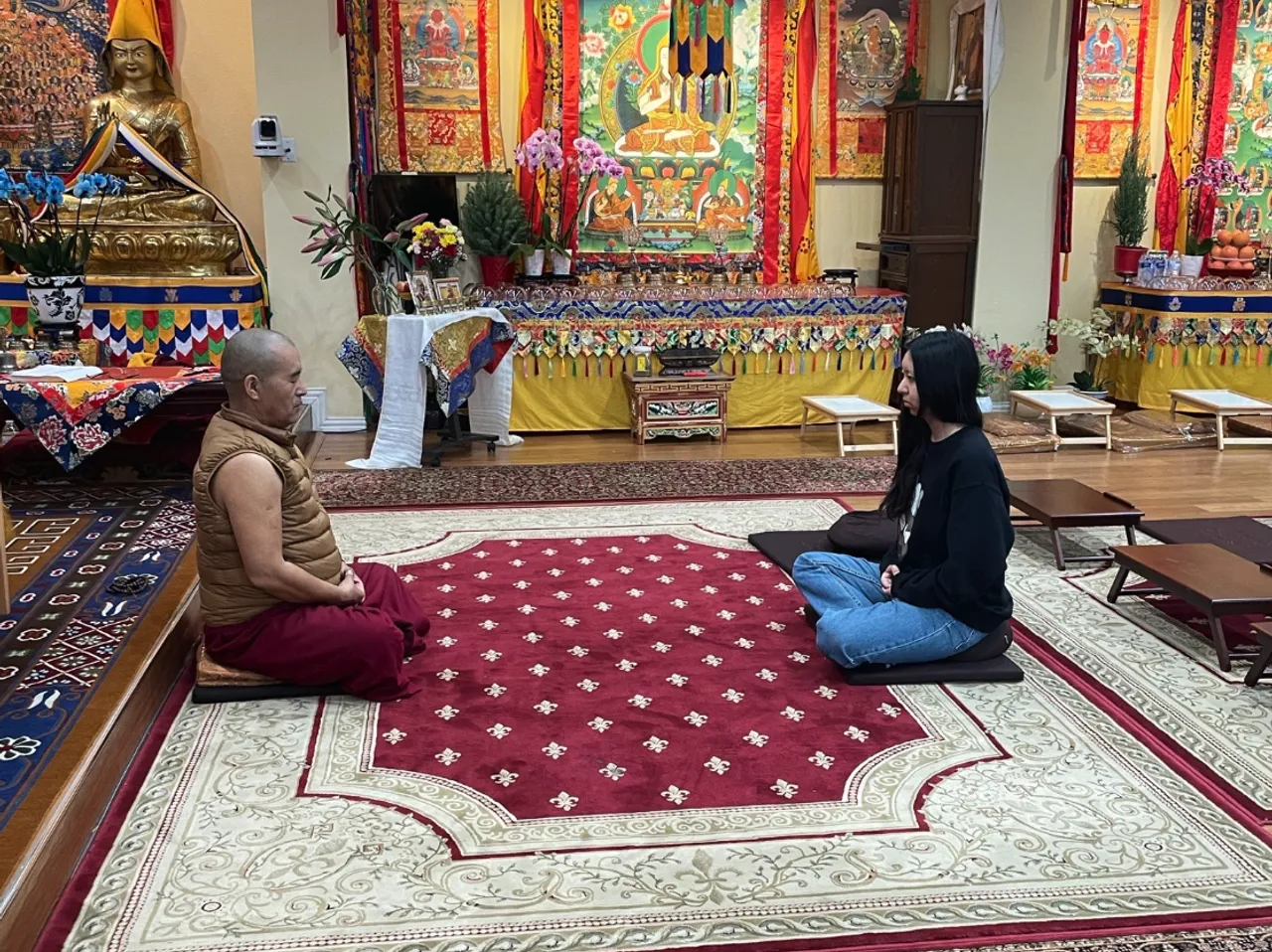
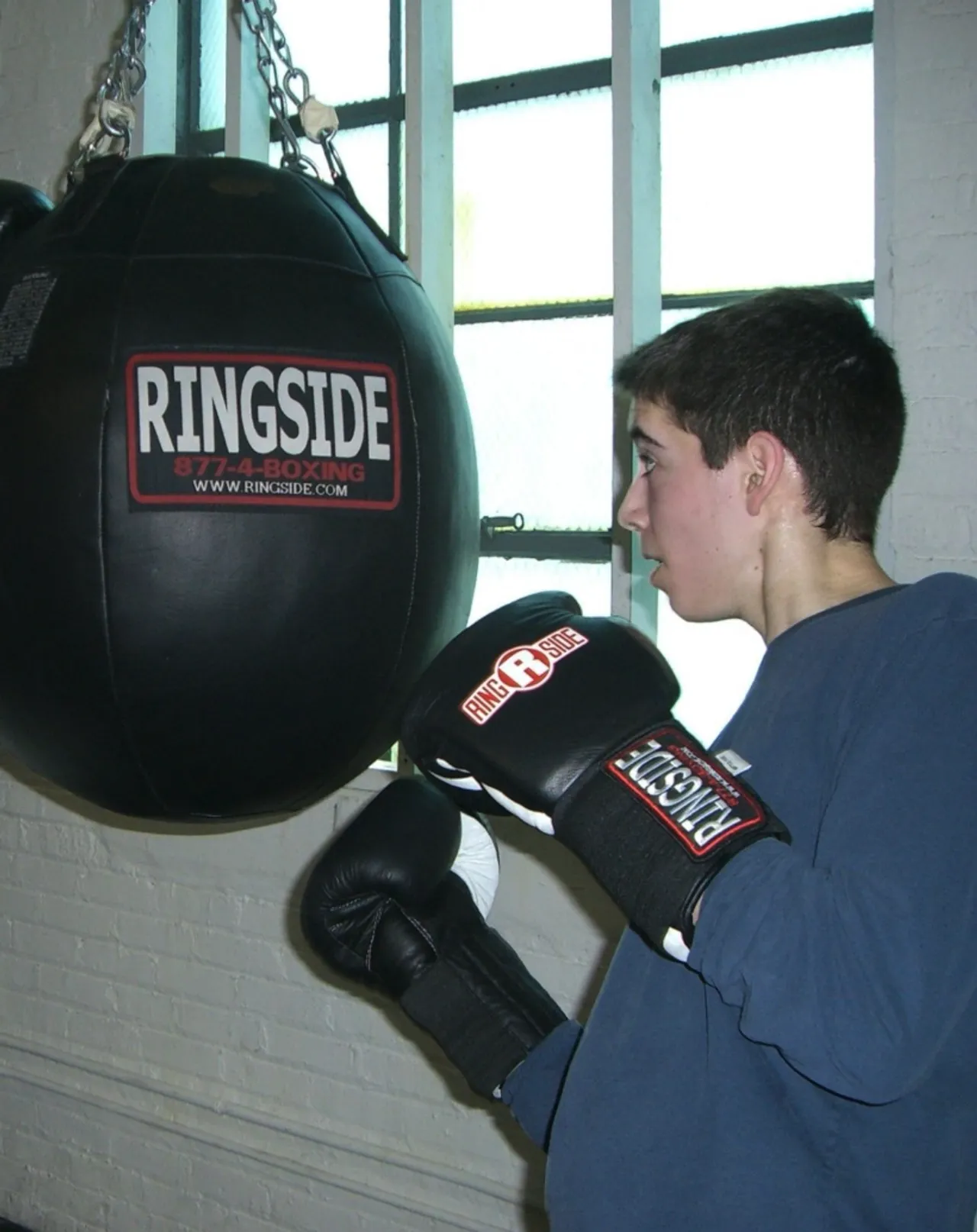
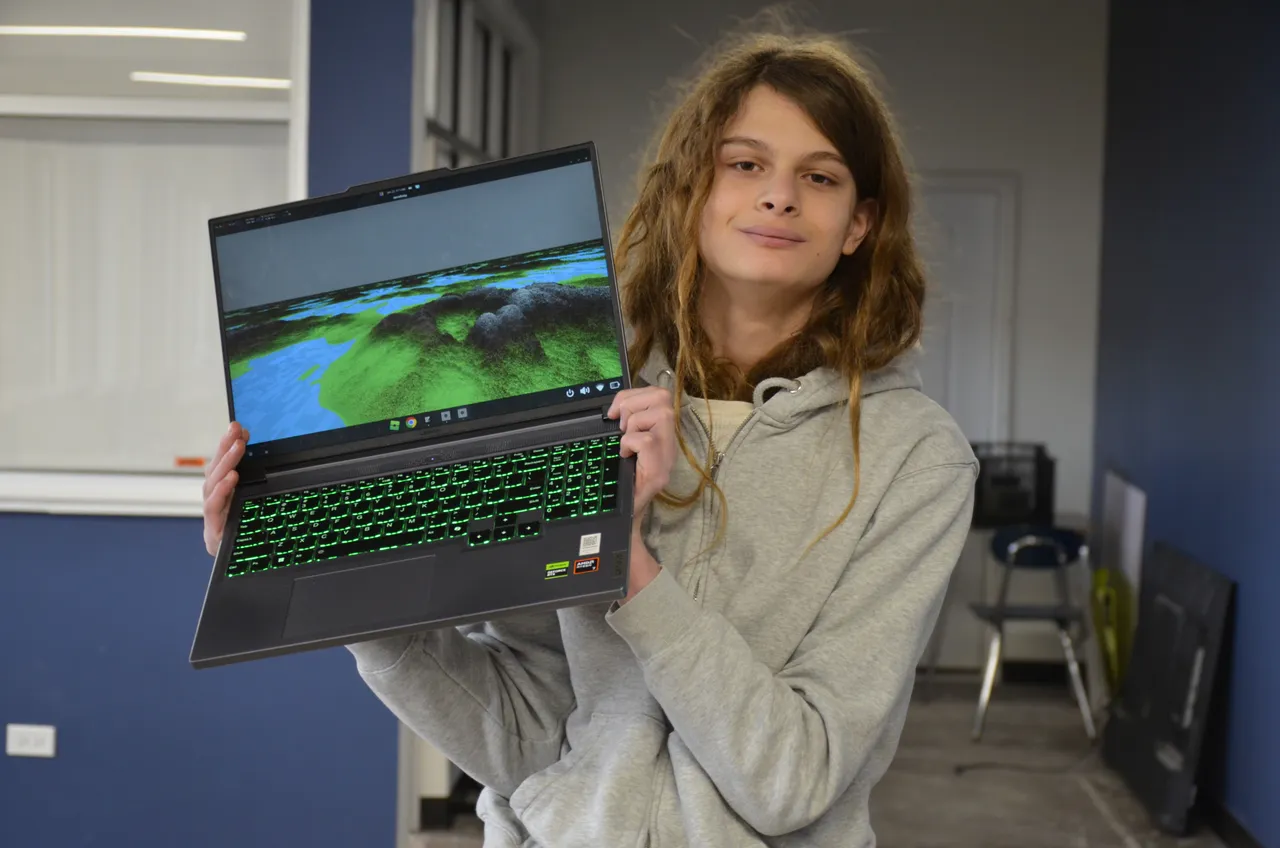
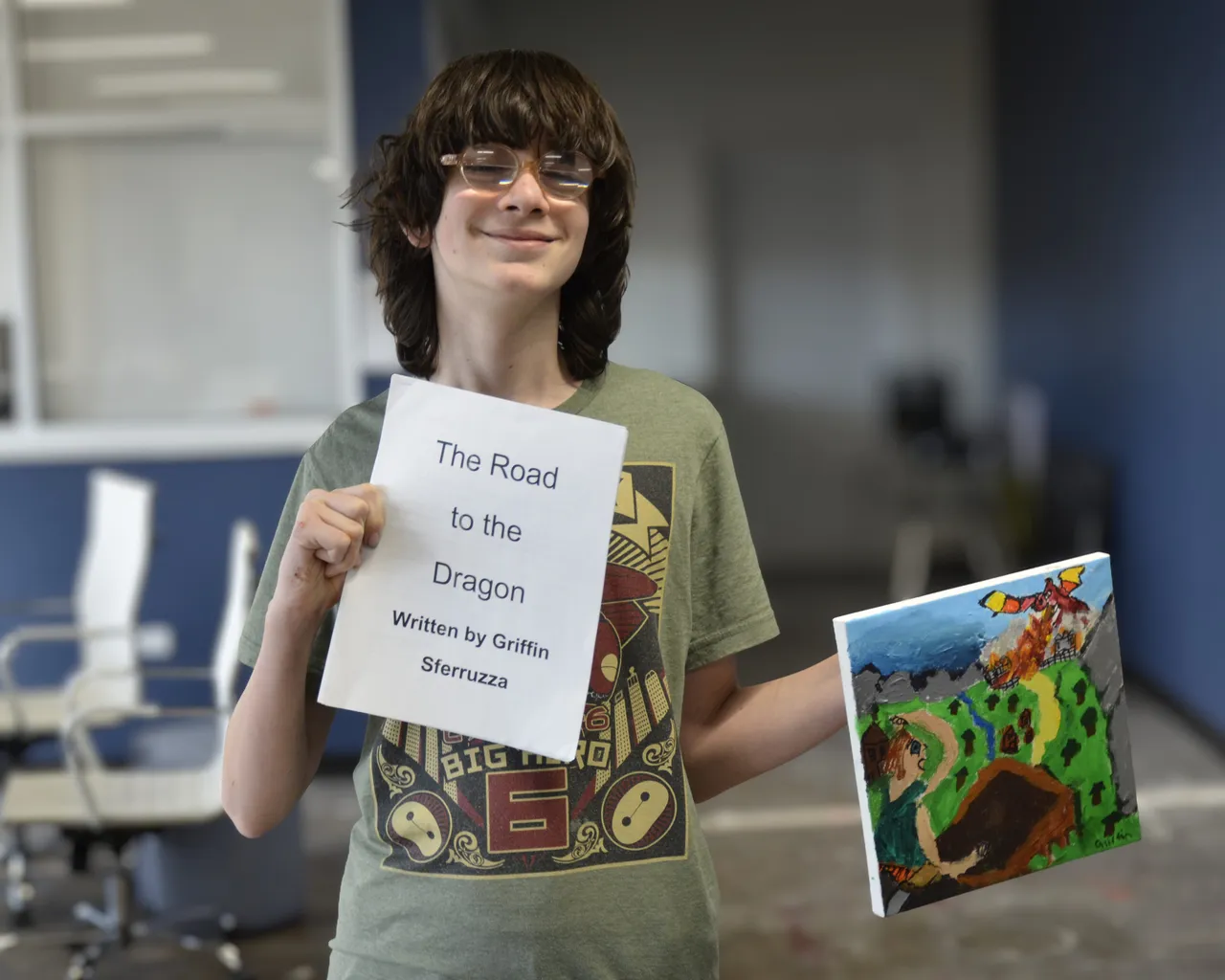
These projects are designed and directed by students with guidance from professionals or community members selected by the student. Independent Projects allow students to pursue new ambitions and explore interests related to university degrees, workforce skills, personal hobbies, or a combination of these elements.
Successful Participation in JST
Roycemore School requires each Upper School student to participate successfully in one January Short Term project for every year they attend high school at Roycemore. Successful participation is defined by: Intellectual Risk-Taking, Responsibility, and Engagement. These elements will be evaluated based on the JST Rubric shared with students.
- Intellectual Risk Taking: The unique nature of the JST experience allows for immersion beyond the typical classroom subjects and environment. Each student’s learning goals should reflect ambitious and attainable intellectual risks which challenge them to try something new or improve skills. Students should also show appropriate follow-through to achieve these goals by the end of the project, as demonstrated in their reflections and Expo presentation.
- Responsibility: Students are expected to demonstrate initiative throughout the JST process, beginning with choosing a project. Once students have selected their project, they are responsible for their own learning, including both setting and meeting learning goals. In addition, completing required forms and assignments on time is essential for projects to stay on-track.
- Engagement: Both student attendance and student attitude play a major role in shaping a JST experience. Students are expected to approach activities with maturity, enthusiasm, and an openness to new experiences.
2026 Group Projects
2026 Individual Projects
FAQ
What will students do during JST?
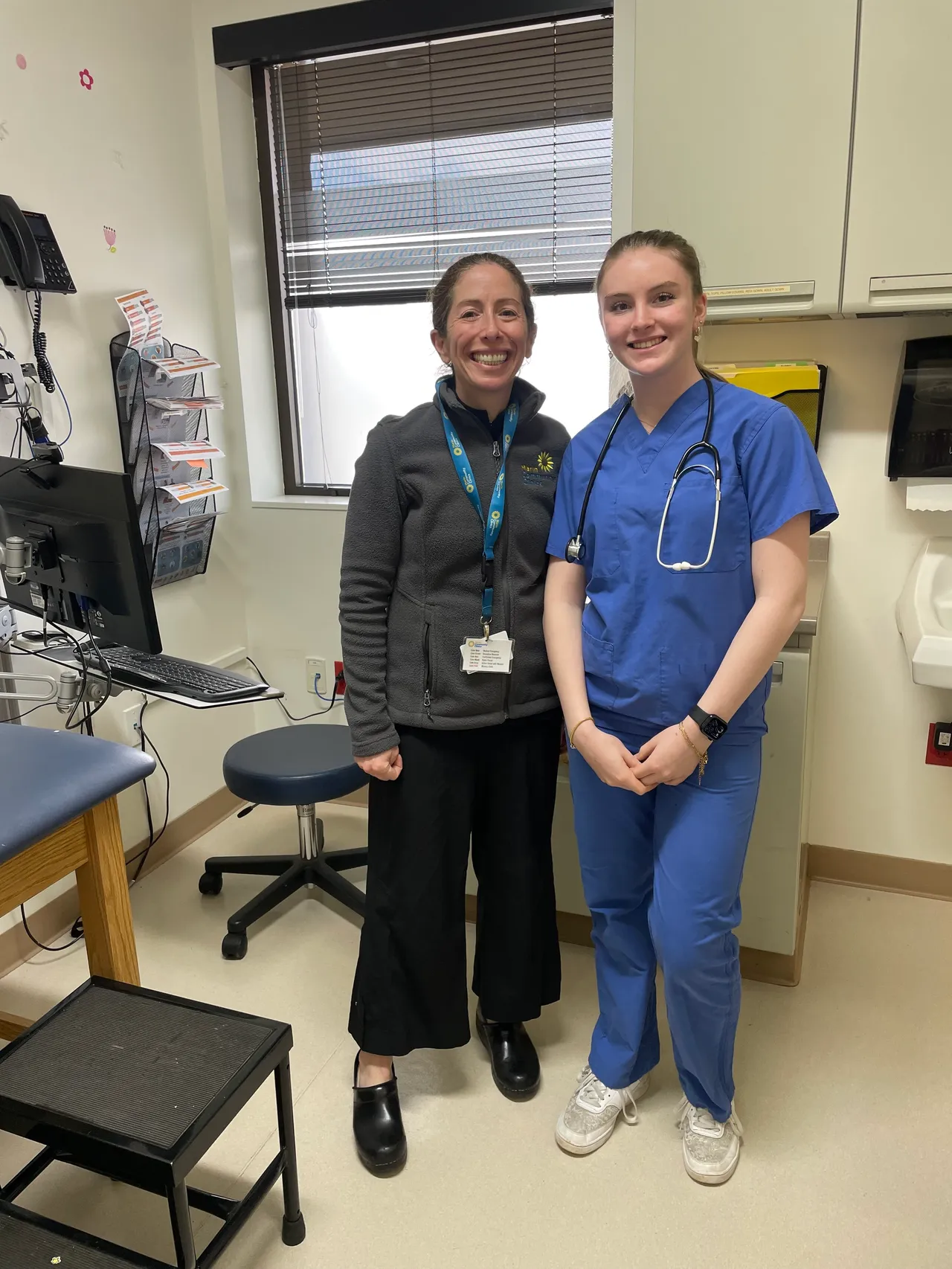
The activities during JST depend on the project chosen by the student. Attendance is mandatory, but the project's nature will determine the student's location. For instance, a student interested in a career might intern at a local business, while a student passionate about art might visit art museums and practice techniques at Roycemore. Each student provides a schedule of their activities for three weeks, which must be approved by a faculty project director and parent/guardian.
How does JST relate to college and career preparation?
JST fosters intellectual risk-taking, responsibility, and engagement while honing planning, iterative processes, and time management skills. Universities and employers highly value these skills. At the end of JST, Project Directors evaluate the student's approach to the project, and the student completes a self-evaluation. Both evaluations are added to the student's permanent Roycemore file and may be used for college recommendations and job applications.