Supporting Your Child's Executive Functioning

By Brandon Zall, Upper and Middle School Division Head
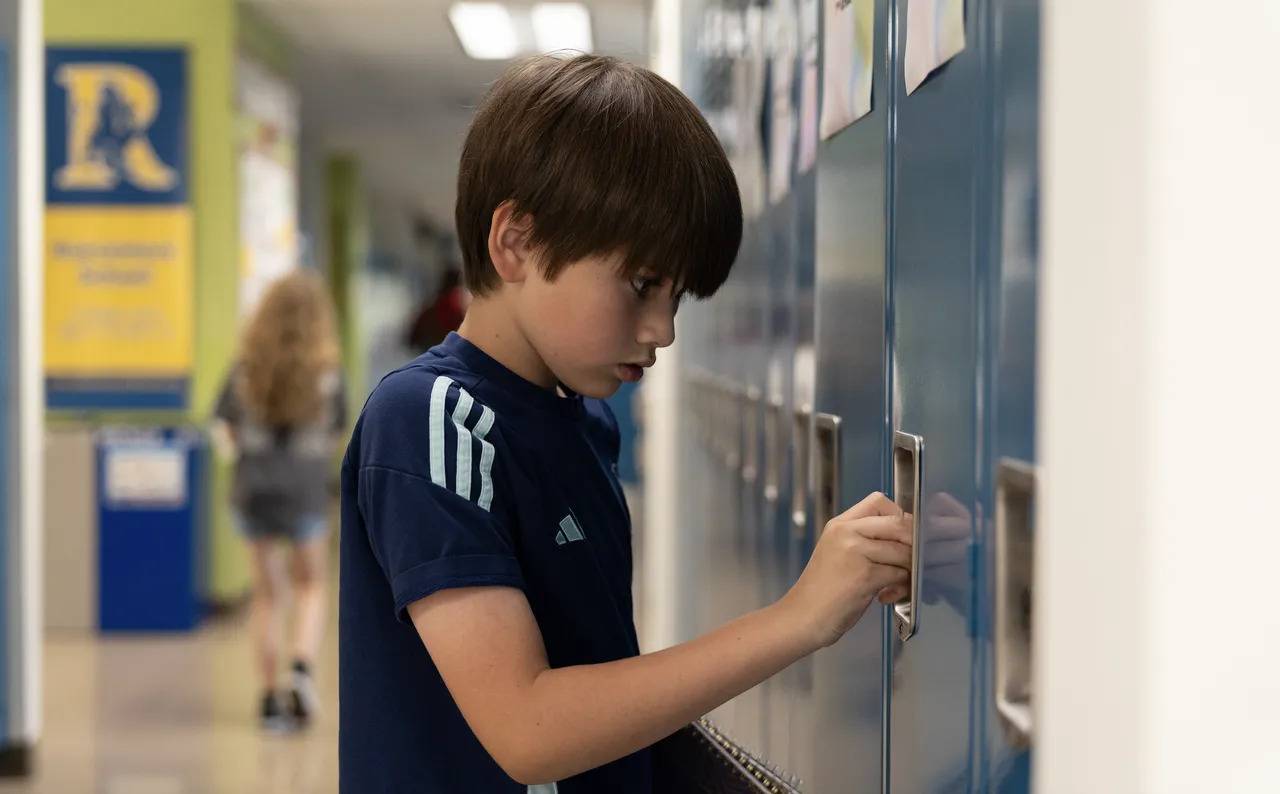
It’s 8:00 a.m. on a Tuesday. The car is running. Your child’s backpack is open on the couch with a half-eaten lunch spilling out. One shoe is missing. The math homework, after last night’s battle to finish it before bedtime, is nowhere to be found. Sound familiar? You’re not alone.
Executive functions, two words increasingly at the forefront for educators and parents, refer to a set of mental skills that guide planning, prioritizing, organization, self-monitoring, shifting, working memory, and more. These skills can both showcase a student’s intelligence and, at times, hide it.
As 1:1 technology has become nearly ubiquitous and the digital age has a stranglehold on academics, the telltale signs of poor executive functioning have shifted. What looked like papers scattered in a backpack and showing up late to class in 1986 now looks like documents not placed in folders on Google Drive or forgetting to hit “submit” on a learning management system in 2026...and there are probably still a few scattered papers in that backpack. Navigating school now involves juggling more balls, and the signs of those struggling are quieter than ever.
The dichotomy for schools is to scaffold strategies that support executive functions so students’ true abilities can shine, while also fostering independence for college, career, and life. These two goals do not go together like peanut butter and jelly. While difficult, finding the right balance is essential for students to have a successful present and an independent future. There is a two-pronged approach our schools, students, and families can take to move the needle toward executive function success. The goal is to maintain high expectations but lower the barriers it takes to achieve them.
The first prong is for schools to take proactive steps to support the executive functions of students. From knowing what materials to bring to English class, to choosing the proper formula in solving a math problem, all the way to asking a classmate to Homecoming, students make more than 1,000 decisions in a school day. It is unreasonable to expect individuals whose prefrontal cortexes are still developing to make perfect choices every time.
Schools can help by scaffolding some of these decisions. Depending on the students’ ages, the extent and consistency of these supports can change. For example, a middle school student looking for homework assignments would have more success if each class posted them in the same location every day. Better yet, teachers can take time during class for every student to take out their planner, model what to write down, and allow time to do so. On the cultivating independence side, seniors preparing for college should have this habit ingrained, supported by years of intentional practice.
Additional strategies teachers can employ that help students strengthen executive functions include chunking large assignments into manageable parts, using clear and concise directions with numbered steps, and implementing visual tools such as Frayer models, top-down webs, and two-column notes. Frequent movement breaks and previewing changes in schedule can also reduce stress and improve focus. While none of these strategies alone is a silver bullet, consistent use allows students’ true knowledge to shine. At Roycemore, we believe aligning around these shared strategies creates collective efficacy that moves our Griffins forward.
The second prong is support at home. I’ve heard from many families over the years how executive functions at home can become a battle, and getting students to do their homework or complete chores can feel more difficult than running a marathon. Using the same mindset and actions schools can do above, families can replicate some of that success to lessen the burden to more of a manageable 5K. The key is to build consistent routines and speak to kids like you have belief in them.
The first effective strategy is creating a clear weekly routine with specific days and expectations for chores, such as cleaning, laundry, or organizing personal spaces. Predictability helps students practice planning and follow-through, while completing tangible tasks builds a sense of control. In practice, I’ve seen families use Sunday as a “Family Meeting” that morphs into an all-hands-on-deck family chore time. It is expected, and it is done together.
Another simple but powerful tool is establishing a “launching pad,” a designated spot near the door where backpacks, shoes, sports gear, and lunches always go. Holding children accountable to that space teaches organization and reduces morning chaos.
Finally, the most important approach parents can take is to speak to their children with belief and mentorship. Psychologist and author David Yeager calls it the “Mentor Mindset.” Narrate your confidence out loud: “I know you can handle this. Let’s walk through the steps together.” When adults explicitly connect routines to independence (“This is how you’ll manage college move-in one day”), kids internalize that these strategies are not punishments, but life skills that empower them to succeed beyond school.
That simple reframe from “You need to clean your room right now, it’s a mess” can get more buy-in, ownership, and results you want to see. When adults shift from managing to mentoring, they teach kids not just how to clean a room, but how to take ownership of their responsibilities.
If you’ve read this far, you’ve already shown the most important thing a student needs: a caring adult in their corner. The next steps are collaboration and consistency. Whether they are strategies in the school or the home, reliable consistency trumps wild intensity. Work with your school to support your child’s executive function growth, but also trust the process. Challenges and small frustrations are part of how children build independence and resilience. So take a deep breath. The homework will reappear, the missing shoe will be found, and through it all, you’re doing a wonderful job.
Learn more about Middle School and Upper School at Roycemore.